We then introduced the Civil Rights Movement by dramatizing "separate but equal" learning conditions with a Civil Rights Pre-Test. Much of our introduction centered on the following guiding question of the unit, "What is freedom?" We watched and discussed this clip from Selma and analyzed "what is freedom" from the perspective of Oprah Winfrey's character.
We've now begun our last unit of the year, Civil Rights!
Today we started our study by beginning with the basics: Exploring our identities and the ways society values some identities over others. These conversations are always difficult and require tremendous energy; I appreciate everyone for giving their all in class today!
Our first activities are from Beverly Daniel Tatum's book, Why Are All the Black Kids Sitting Together in the Cafeteria? And Other Conversations About Race.
We are now onto our last case study of U.S. involvement in Latin America during the Cold War, Nicaragua.
We will only spend two class periods reviewing the major players of the Nicaraguan Revolution: Augusto Sandino, Daniel Ortega and the Sandinista movement, The Contras (counter-revolutionaries), and the U.S. Government. After learning about the revolution broadly, students analyzed the rhetoric from each perspective deeply in order to complete Character Retrieval Charts and write two-voice poems.
Thursday, April 21, 2016
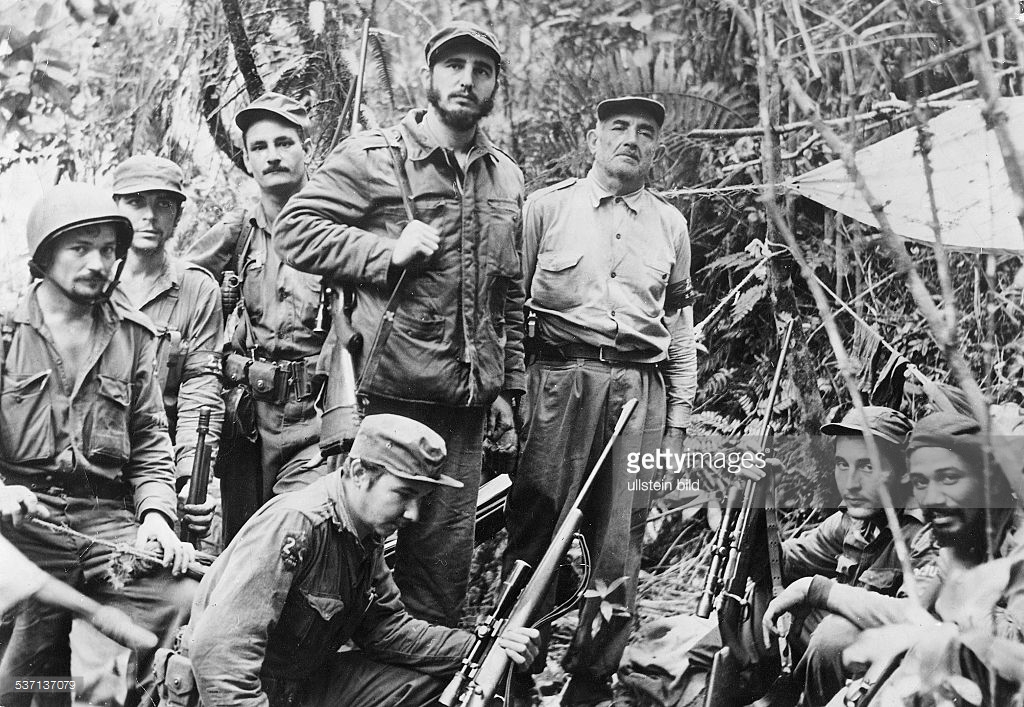
We are zooming through our unit! Today we continued to explore the Cuban Revolution, diving deeply into the major events and goals of the revolutionaries. Specifically, we analyzed excerpts from Fidel Castro's infamous defense, "History Will Absolve Me," before wrapping class up with a short film clip from American Experience's Fidel Castro.
Guiding Question: So how exactly did 18 revolutionaries overthrow the Batista regime in Cuba in the late 1950's?
Today we wrapped up our (brief) examination of U.S. involvement in Guatemala during the Cold War and turned our attention toward Cuba. What a fascinating time to learn about the Cuban Revolution and Cuba's role in the Cold War, given the recently renewed relationship.
After some review about the 1954 coup in Guatemala, we spent time learning about Cuba pre-Revolution with a "text graffiti" exercise. We wrapped up class with a "Cuban Revolution" Bloc Party. What a blast.
No homework! If you can, we would love to discuss homework with you during tonight's Homework Summit. Library. 6:30pm.
Today we continued learning about the U.S. led coup in Guatemala through the help of prominent Latin American authors Pablo Neruda and Eduardo Galeano. We ended class by listening to a short clip from the "Hearts and Minds" episode from This American Life. You can find these resources posted on the "assignments and worksheets" column on the right hand side of the blog.